Every parent has had the experience of reading the same story for the tenth night in a row, watching their child’s attention drift somewhere around page four — and then, on a completely different night, watching that same child hang on every word of a story that happens to feature their own name, their own dog, their own favourite colour. The difference isn’t the plot. It’s the fact that, for a moment, the story feels like it’s about them.
That reaction isn’t just cute. It reflects something real about how children engage with stories, and why personalisation tends to do more than simply hold their attention for longer.
Children listen differently when they’re inside the story
A generic story asks a child to imagine a world. A personalised one asks them to imagine themselves in it — and that’s a meaningfully different kind of engagement. When the brave explorer or the sleepy dragon shares something in common with the child listening, the story stops being something that happens elsewhere and starts feeling like something that’s happening to them, even if only for a few pages.
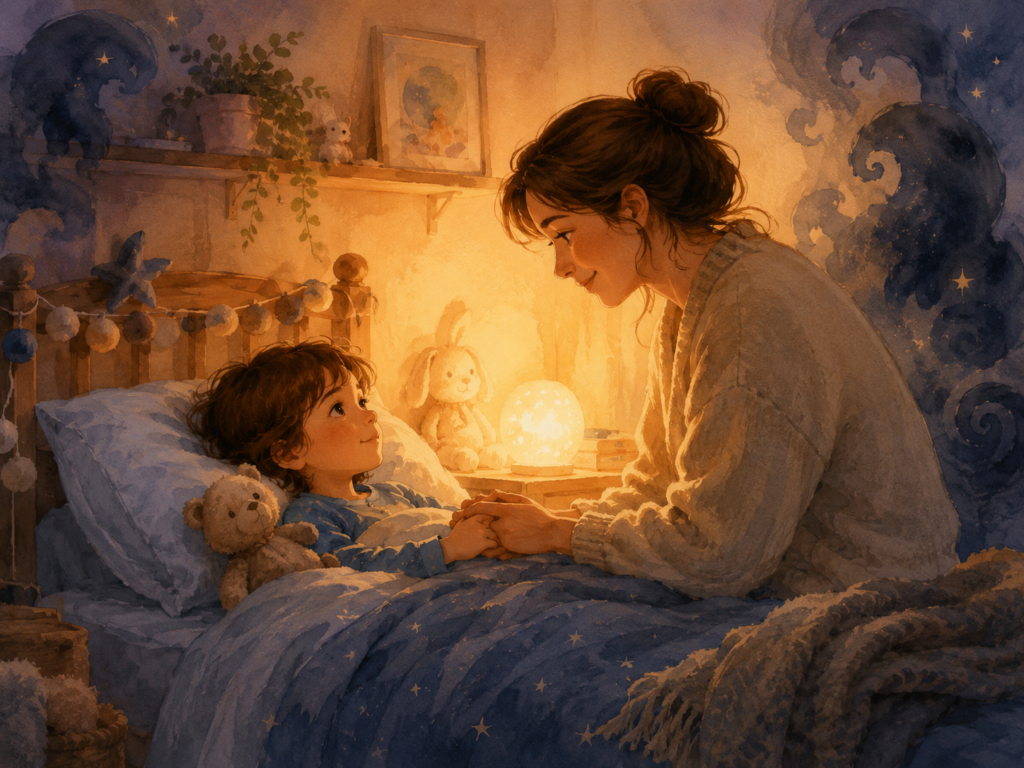
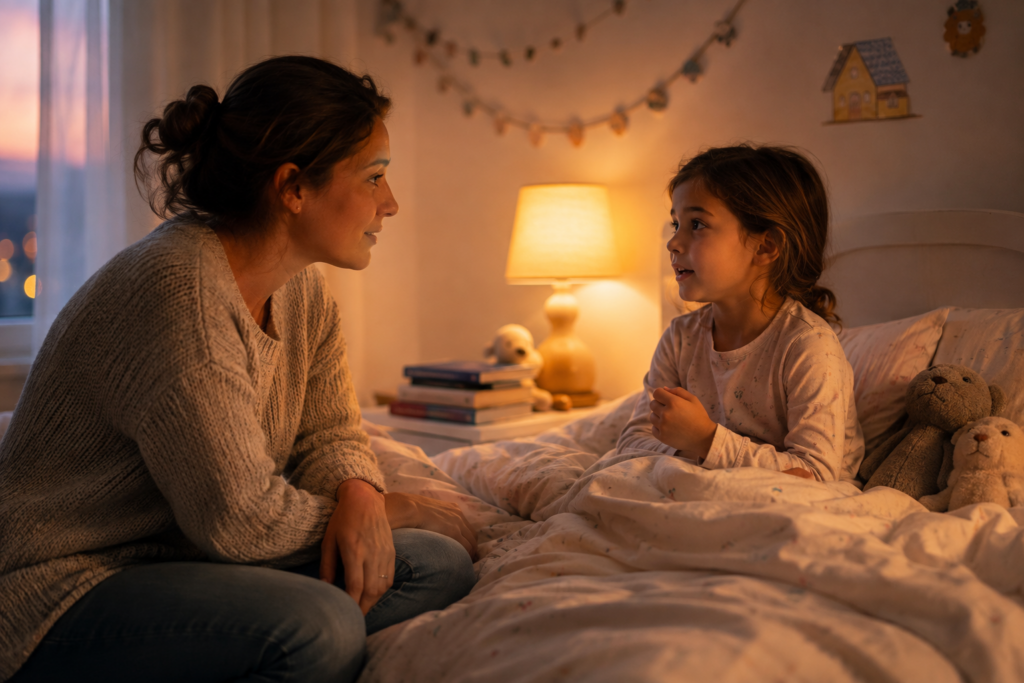
This matters especially at bedtime, when the goal isn’t just entertainment but connection — a few quiet minutes where a child feels seen before the lights go off.
It builds a bridge to their real feelings
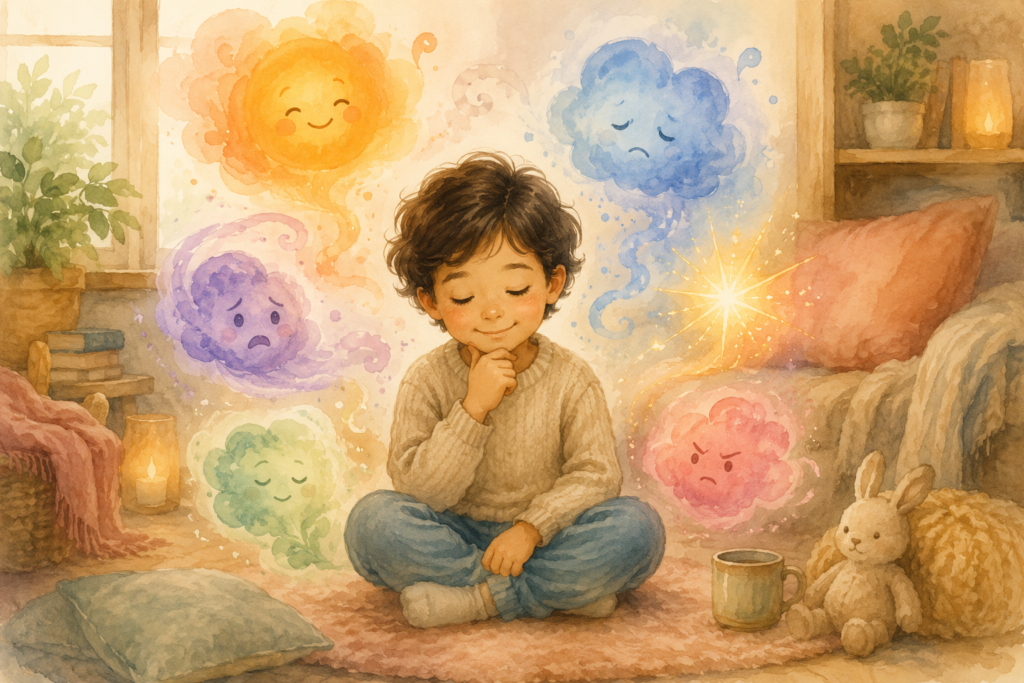
Stories have always been a safe way for children to process things they don’t yet have words for — nervousness about starting school, a new sibling, a big change at home. A personalised story can meet a child exactly where they are that day, weaving in a theme that quietly speaks to what’s actually going on for them, without ever needing to name it directly.
That’s a very different experience from picking a book off the shelf and hoping it happens to land.
It respects that every child is different
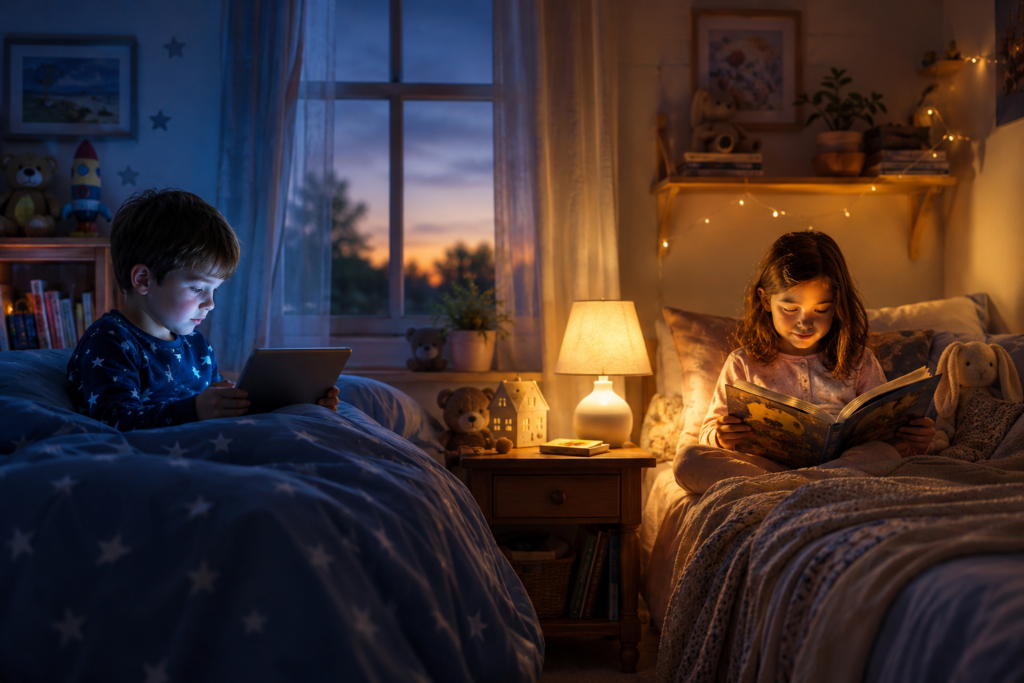
Two siblings can be read the exact same book and come away with completely different reactions — one delighted, one bored, one a little unsettled by a part that didn’t bother the other at all. Personalisation isn’t about better stories in some abstract sense; it’s about the right story, for this child, tonight — their pace, their interests, their comfort level.
It keeps the magic from wearing thin
Predictability is good for bedtime routines. It’s less good for the story itself — a favourite book eventually loses its shine through repetition. A story built fresh each night, but still recognisably theirs, gives children the comfort of a familiar shape (their world, their character) with the delight of something new to discover.
Every Pillow story is built around your child — their interests, their mood tonight, and the kind of adventure that speaks to them. It’s not a story they’re listening to. It’s a story that’s theirs.
Leave a Reply